On Shabbat, the Torah forbids melacha (מְלָאכָה). Contrary to popular belief, a melacha is not about "effort" or "hard work": it is a creative or transformative act, what our Sages call melechet machshevet (מְלֶאכֶת מַחֲשֶׁבֶת), a deliberate act of the mind that reshapes the world. Striking a match takes no effort at all, yet it is a melacha. Climbing five flights of stairs is exhausting, yet it is not.
Where does the list come from?
The Mishnah, the first compilation of the Oral Law (Shabbat 7:2), enumerates "forty less one" (אַרְבָּעִים חָסֵר אַחַת, arba'im chaser achat) categories of labor: the 39 avot melachot (אֲבוֹת מְלָאכוֹת, "primary labors"). The Talmud (Shabbat 49b) teaches that they correspond to the labors needed to build the Mishkan (the sanctuary in the wilderness): the Torah sets the command to build the Mishkan right beside the command of Shabbat, so that Shabbat overrides even the holiest labor.
The Mishkan (מִשְׁכָּן, "dwelling") was the portable sanctuary the Israelites built in the wilderness after the Exodus, following the detailed plan given in the Torah (Exodus): a tent of meeting that housed the Ark and where the divine presence dwelled, before the Temple in Jerusalem was built. Raising it, taking it down and carrying it drew on a finite set of crafts (weaving, dyeing, sewing, building, kindling a fire, writing...): it is precisely these categories of labor that Shabbat comes to interrupt.
The 39 labors, in 6 groups
The six crafts of Shabbat
The 39 labors (melachot) sorted into six crafts: tap a craft to see its actions.
- 1זוֹרֵעַZore'a to sow
- 2חוֹרֵשׁChoresh to plow
- 3קוֹצֵרKotzer to reap
- 4מְעַמֵּרMe'amer to bind into sheaves
- 5דָּשׁDash to thresh
- 6זוֹרֶהZoreh to winnow
- 7בּוֹרֵרBorer to select
- 8טוֹחֵןTochen to grind
- 9מְרַקֵּדMeraked to sift
- 10לָשׁLash to knead
- 11אוֹפֶהOfeh to bake
- 1גּוֹזֵזGozez to shear
- 2מְלַבֵּןMelaben to whiten
- 3מְנַפֵּץMenapetz to card
- 4צוֹבֵעַTzove'a to dye
- 5טוֹוֶהToveh to spin
- 6מֵסֵךְMeisech to warp (set up the warp)
- 7עוֹשֶׂה בָּתֵּי נִירִיןOseh batei nirin to set up the heddles
- 8אוֹרֵגOreg to weave
- 9פּוֹצֵעַPotze'a to unweave threads
- 10קוֹשֵׁרKosher to tie
- 11מַתִּירMatir to untie
- 12תּוֹפֵרTofer to sew
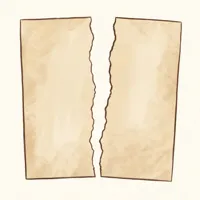
- 13קוֹרֵעַKore'a to tear (in order to resew)
- 1צָדTzad to trap
- 2שׁוֹחֵטShochet to slaughter
- 3מַפְשִׁיטMafshit to skin
- 4מְעַבֵּדMe'abed to tan
- 5מְמַחֵקMemachek to scrape
- 6מְשַׂרְטֵטMesartet to draw lines
- 7מְחַתֵּךְMechatech to cut to size
- 8כּוֹתֵבKotev to write (from two letters)
- 9מוֹחֵקMochek to erase (in order to rewrite)
- 1בּוֹנֶהBoneh to build
- 2סוֹתֵרSoter to demolish (in order to rebuild)
- 1מְכַבֶּהMechabeh to extinguish
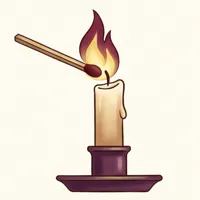
- 2מַבְעִירMav'ir to kindle
- 1מַכֶּה בְּפַטִּישׁMakeh b'patish the final hammer blow: completing an object
- 2הוֹצָאָהHotza'ah to carry from one domain to another
ל״ט מְלָאכוֹת
39 melakhot
the 39 creative labors forbidden on Shabbat, in 6 families
The six crafts of Shabbat
11 + 13 + 9 + 2 + 2 + 2 = 39 melakhotThe 39 melachot fall into 6 groups. The first three form "paths," each running from a raw material to a finished object:
The path of bread (11), from the field to the loaf: zore'a (sowing), choresh (plowing), kotzer (reaping), me'amer (binding into sheaves), dash (threshing), zoreh (winnowing), borer (selecting), tochen (grinding), meraked (sifting), lash (kneading), ofeh (baking).
The path of clothing (13), from the sheep to the garment: gozez (shearing), melaben (whitening), menapetz (combing out), tzove'a (dyeing), toveh (spinning), meisech (mounting the warp), oseh batei nirin (setting the heddles), oreg (weaving), potze'a (separating threads), kosher (tying), matir (untying), tofer (sewing), kore'a (tearing in order to resew).
The path of parchment (9), from the animal to the written word: tzad (trapping), shochet (slaughtering), mafshit (skinning), me'abed (tanning), memachek (smoothing), mesartet (ruling lines), mechatech (cutting to shape), kotev (writing, from two letters on), mochek (erasing in order to rewrite).
The last three groups are shorter: building and demolishing (boneh, soter), fire (kindling and extinguishing: mav'ir, mechabeh), and then two melachot on their own, the final hammer blow and carrying.
Makeh b'patish, "the final hammer blow," is the name given to any act that completes an object and makes it usable for the first time: the name comes from the craftsman who strikes the final blow on his work.
Avot and toladot
Each av melacha has its toladot (תּוֹלָדוֹת, "offshoots"): acts different in form but identical in principle, forbidden just as much. Watering a plant is a tolada of zore'a (one encourages growth); squeezing a fruit for its juice belongs to dash (one draws out what is held inside). This mechanism is how halacha (Jewish law) applies the 39 categories to modern realities: this is why electricity, unknown to the Mishkan, is treated by the poskim within these categories.
The melachot in daily life
Knowing the 39 categories is not enough: one still has to know what, in practice, is not done on Shabbat, and which melacha it falls under. The toladot are what bridge the category and today's act. Here are the most common everyday cases:
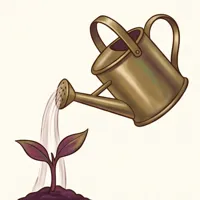
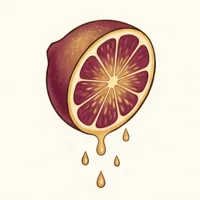


A useful rule of thumb: the test is never effort (recall melechet machshevet). Squeezing half a lemon takes no effort at all, yet it is dash; pouring a glass of water over your plants takes none either, yet it is zore'a.
Borer (selecting) remains permitted when three conditions are met together: by hand (no utensil), taking the food out of the waste (never the reverse), and for immediate consumption. Picking the almonds out of a mixture to eat them right away is permitted; removing the shells for later is not.
Hotza'ah (carrying) forbids taking an object from one domain to another (private ↔ public), or moving it four cubits within the public domain, whatever its weight. This is the whole point of the eruv, which legally "merges" the domains so that carrying becomes possible.
Electricity is a special case. It did not exist in the time of the Mishkan: turning an electrical device on or off on Shabbat is very widely treated as forbidden by the poskim, but the exact melacha it falls under is debated (mav'ir for incandescence, boneh, molid… depending on the opinion). So we hold to the practical prohibition, and for the details and special cases (timers, appliances, cases of need): ask your rav.

Customs
Melacha, and the case of electricity
The law
- On Shabbat, we refrain from melacha, a creative or transformative act (never a matter of effort): the 39 categories and their offshoots (toladot).
Depends on your community
- Electricity, unknown to the Mishkan, is very widely treated as forbidden; the exact melacha it falls under is debated among the poskim.
We hold to the practical prohibition; for the details and cases of need: ask your rav. Shulchan Aruch Orach Chayim 301 and following.
 Key points
- 39 avot melachot: the Mishnah says "forty less one" (Shabbat 7:2)
- Drawn from the labors of the Mishkan
- The test is the creative act (melechet machshevet), not effort
- Av = primary category; tolada = offshoot, forbidden just as much
- 6 groups to memorize: bread (11) · clothing (13) · parchment (9) · building (2) · fire (2) · final blow + carrying (2)
- In daily life: watering = zore'a · squeezing a fruit = dash · cooking = bishul · kindling = mav'ir · writing = kotev · tearing paper = kore'a · selecting = borer · carrying in the street = hotza'ah
- Electricity: very widely forbidden on Shabbat; the exact melacha is debated → ask your rav
- Added to this are rabbinic prohibitions (shevut, muktzeh → next level)
Sources: Mishnah Shabbat 7:2 · Talmud Shabbat 49b, 73a · Shulchan Aruch Orach Chayim 301 and following (details by melacha: notably Orach Chayim 318 bishul, 319-320 borer/sechitah, 336 zore'a, 340 kotev/kore'a) · Shemirat Shabbat Kehilchatah (introduction).