Muktzeh means "set aside": whatever is not meant to be used on Shabbat is not moved on Shabbat. This is not a melacha of the Torah (one of the 39 forbidden labors of Shabbat) but a safeguard instituted by the Sages: by keeping weekday objects out of reach, we keep the temptation of forbidden labor at a distance and preserve the character of the day.
Two basic principles:
- The prohibition is on moving the object, not on touching it: touching it without making it move is permitted.
- The status is fixed at the onset of Shabbat: whatever was set aside at dusk stays that way for all of Shabbat, even if the situation changes (candles that have burned down remain muktzeh).
The main categories
| Category | Examples | May it be moved? |
|---|---|---|
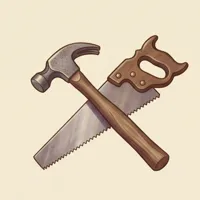
| A tool for forbidden use | hammer, pen, scissors | Yes, for a permitted use or because one needs its place; no, to protect it |
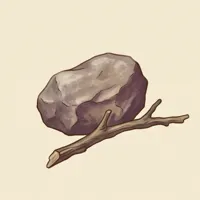
| Something with no use | a stone, money, twigs | No, no moving at all |
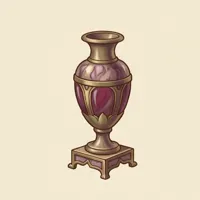
| A valuable item one is careful with | a costly camera, documents | No: it is not put to any use |
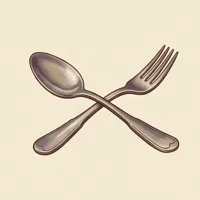
| A utensil for permitted use | a chair, a cushion, a plate | Yes, as soon as it is needed |
Basis: a base for a forbidden object
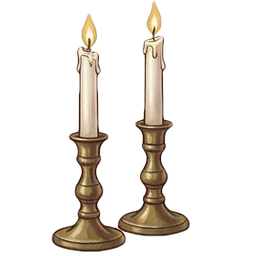
A surface that holds a muktzeh item at the onset of Shabbat becomes muktzeh itself: the basis. The classic case is the tray under the candlesticks. The workaround is set up on Friday (some place on the tray a permitted object that is more important, under precise conditions): each person follows the practice of their rav.
In daily life
- The phone: switched off and put away before the onset of Shabbat. If it rings, we do not touch it. But remember this from the outset: when a life is in danger, we call without hesitating, for the danger to life pushes Shabbat aside.
- Money, a wallet: fully muktzeh, no handling at all.
- A valuable item one is careful with (a camera, a costly instrument): this is the strictest category. It is not moved either because one needs its place or to shield it from harm. One may only touch it, as long as it does not move.
Moving a muktzeh item without picking it up
A muktzeh item that is in the way, when there is a permitted need (to free up a spot, to clear a passage), may be moved indirectly (tiltul min hatzad, moving it from the side), that is, without taking it in hand. Three concrete moves:
- shake or tilt the surface that holds it to make it slide off (tilting the tablecloth to make crumbs or coins fall);
- push it aside with the foot or the elbow, in an unusual way;
- push it with a permitted object.
One caveat: if the muktzeh item was placed there before Shabbat to remain there throughout Shabbat, the surface becomes a basis and we no longer tilt it (see above). The finer conditions (how great the need must be, what counts as an indirect move) vary among the poskim: learn them with your rav.

Customs
Moving, or not, a muktzeh item
The law
- Muktzeh ("set aside") is a decree of the Sages: whatever is not meant for Shabbat is not moved. Touching it without making it move is permitted; the status is fixed at the onset of Shabbat.
Common practice
- A muktzeh item that is in the way, when there is a permitted need, may be moved indirectly: tilt the surface that holds it, push it aside with the foot, push it with a permitted object.
Depends on your community
- The basis (the tray under the candlesticks): the workaround is set up on Friday, and each person follows the practice of their rav. The finer conditions vary among the poskim.
Learn them with your rav. Shulchan Aruch Orach Chayim 308 to 311.
 Key points
- Muktzeh = "set aside": a decree of the Sages, not a melacha of the Torah
- Touching without moving: permitted; the status is fixed at the twilight onset of Shabbat
- A tool for forbidden use may be moved for its spot or for a permitted use
- Money and phone: fully muktzeh; the tray under the candlesticks: a basis
- A valuable item (a camera): it is not moved, one may touch it
- A muktzeh item in the way is worked around: tilt it, push it aside with the foot, push it along
- Danger to life: Shabbat gives way, we act
Sources: Shulchan Aruch Orach Chayim 308-311 (categories 308, basis 309, money 310, moving 311); Orach Chayim 329 (danger to life) · Talmud Beitza 26b · Shemirat Shabbat Kehilchatah ch. 20.