Every day has three services: Shacharit (morning), Mincha (afternoon), Arvit (evening). Shabbat sets itself apart in two ways: an extra service is added in the morning (Musaf), and the Amida (the central prayer of every service, said standing and in a whisper) takes on a new shape.


Friday evening
- Kabbalat Shabbat: before Arvit, the community welcomes Shabbat with psalms and then Lecha Dodi ("Come, my Beloved, to meet the bride"), composed by Rabbi Shlomo Alkabetz in Safed in the 16th century. At the final stanza, we turn toward the entrance to greet the Shabbat queen.
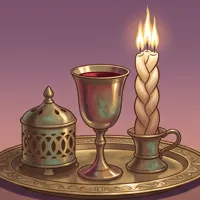
- Then comes Shabbat Arvit. At home come Shalom Aleichem and Eshet Chayil (two table songs), then Kiddush (the sanctification of the day, said over a cup of wine) and the meal.
The Shabbat Amida: 7 blessings
On weekdays the Amida has 19 blessings (we call it "the 18," Shemoneh Esrei). On Shabbat the 13 middle blessings give way to a single blessing, the sanctification of the day: 3 + 1 + 3 = 7 blessings. Shabbat is not a day for making requests.
Saturday morning
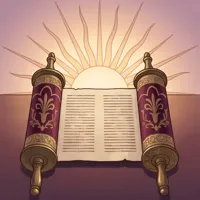
- Shacharit, and then the Sefer Torah (the handwritten Torah scroll) is taken out: the weekly parasha (the weekly Torah portion) is read in 7 aliyot (more than on any other day), followed by the maftir and the haftara (a passage from the Prophets tied to the parasha).
- Musaf: the "additional" service, in memory of the additional offering brought on Shabbat in the Temple.
The afternoon and the close of the day
- Shabbat Mincha: we already begin reading the start of the coming week's parasha (3 aliyot).
- When the stars come out: weekday Arvit, and then Havdalah brings Shabbat to a close (covered in the Oneg Shabbat section).
How the services unfold
Beyond the dates and the songs, knowing how to pray on Shabbat means knowing the concrete thread of the day: when each service takes place, what happens in it, and what changes from the weekday.
The four services
The week has three services; Shabbat adds a fourth. So we pray four times: Arvit (Friday evening), Shacharit (morning), Musaf (right after Shacharit), Mincha (afternoon).
Musaf, the added service
This is the service unique to Shabbat and the festivals. It is said in the morning, just after Shacharit and the Torah reading, echoing the additional offering that was brought on those days in the Temple, on top of the daily offering.
What changes in the Amida
On weekdays the Amida runs through thirteen blessings in which we ask for our needs (health, sustenance, forgiveness). On Shabbat we set them aside: in their place, a single central blessing on the holiness of the day. And so we go from nineteen blessings down to seven (3 + 1 + 3), across the four services. Shabbat is not a day for making requests.
The Torah reading at Shacharit
The Sefer Torah is taken out and seven people are called up to the reading (the seven aliyot, more than on any other day), each for a portion of the parasha. An eighth, the maftir, is called at the end and repeats the closing verses, then reads the haftara: a passage from the Prophets, chosen for its link to the parasha. The exact choice of haftara text sometimes varies from one rite to another: ask your rav.
 Key points
- 3 services a day + Musaf on Shabbat: the key point to remember
- The four services, in order: Arvit (Friday evening), Shacharit, Musaf (after Shacharit), Mincha
- Shabbat Amida: 7 blessings (weekday: 19); we do not ask for our personal needs
- Morning: parasha in 7 aliyot + maftir and haftara (a passage from the Prophets)
- Lecha Dodi: Rabbi Shlomo Alkabetz, Safed, 16th century
- Shabbat Mincha already opens the coming parasha
Sources: Talmud Berachot 26b (the services) · Shulchan Aruch Orach Chayim 268 (Shabbat Amida, 7 blessings), 282-284 (Torah reading), 286 (Musaf), 292 (Mincha) · siddur, Kabbalat Shabbat.